3D-Printed Prosthetics: Affordable Solutions for Amputees
Let’s not pretend here. Traditional prosthetic limbs are expensive. Some people spend over $10,000 to get just one artificial leg or arm. And this doesn’t even include the cost of fixing it later or changing it when it wears out. Now imagine someone who lost both legs. Or a child who keeps growing and needs a new fit every few years. The cost becomes a lifelong problem, not just a one-time bill.
3D Printing Is Not Just for Toys and Gadgets
In many countries, amputees are left on their own. They get no real support from healthcare programs. And when they reach out for help, they meet silence or long waiting lists. Some try to use walking sticks, others crawl. People don't often discuss it, but this is the reality for many.
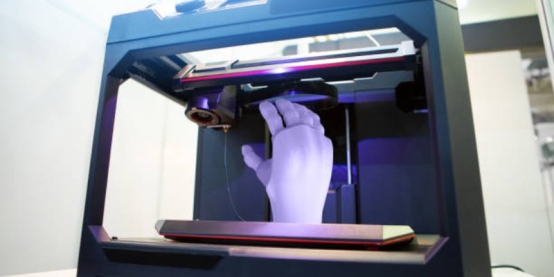
When people hear the term "3D printing," they often think of toys, plastic phone stands, or small key holders. That's too small-minded. 3D printers are making a significant impact on those who live with missing limbs. They are now being used to create custom-fit prosthetic arms, legs, hands, and fingers. These devices are built layer by layer, based on a person's body size. The process is innovative, fast, and most importantly, affordable.
An example shows how students and engineers in some countries are now using 3D printing to provide amputees with affordable prosthetic limbs. These aren't just toys. They work. They can help individuals grip, hold, balance, and return to a life that feels closer to normal.
Why These New Prosthetics Matter
Let's break this down clearly. A traditional leg might cost $10,000 or more. A 3D-printed leg can be made for a few hundred dollars, sometimes even less. That's the kind of gap that makes a difference between living without and living better. And when a machine can print the same item repeatedly, it makes it easier to help many people quickly.
This technology also means no one has to wait weeks or months. Once the measurements are ready, the printer gets to work. A limb that used to take months to make can now be prepared in just a few days. That's not hype. That's change. And it is helping amputees walk into rooms where they used to feel left out.
Fit, Comfort, and Design Are Finally Getting Better
Let's be real. In the past, some prosthetics felt like punishment, not help. They were heavy, rough, and didn't move the way the human body does. Most of the time, they caused pain and blisters. But 3D printing is changing that. Now limbs are made using the exact shape of a person's stump. That means better balance, less rubbing, and more effortless movement.
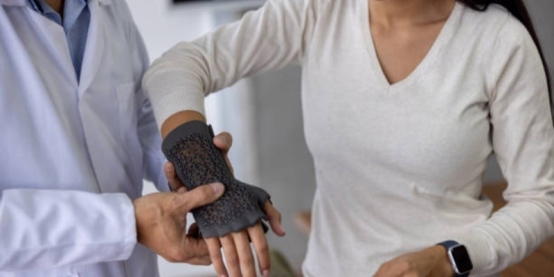
Some organisations use open-source designs that let people around the world download and print models. This allows communities to work together. A child in a village no longer has to wait for donations from abroad. A local group with a printer can be of assistance. This type of care restores dignity to the amputee.
No, It’s Not Perfect. But It’s a Start
Don't be fooled. 3D-printed prosthetics are not miracles. They are not yet as strong or long-lasting as high-end carbon fibre limbs. They may not be suitable for every type of activity. And some types, such as complex robotic arms, still require a significant investment. However, that doesn't mean we discard them or disregard their value. It means we keep improving.
Currently, they provide hope to people who have no other options. They help kids return to school, farmers return to work, and parents return to raising families. These are not just limbs. They are second chances. And for anyone who thinks poor people don't deserve quality help just because they can't pay, maybe it's your thinking that needs fixing.
Some People Still Don’t Get It
Let's discuss the issue with society. Many times, people assume amputees want pity or handouts. That's not true. Most just want tools to live better. But they get ignored. Even worse, some question why money should be spent helping people who lost limbs. This kind of thinking is sad and dangerous.
And some amputees, especially in rural places, are told to wait for “better days” or “sponsors from abroad.” What kind of excuse is that? The help exists now. The printers are available. The plans are open-source. What’s missing is action. We can’t keep delaying lives like this.
Real Help Is More Than Words
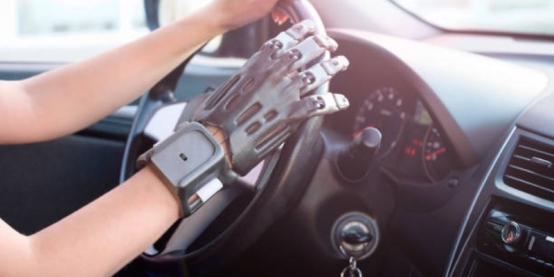
If someone cares, they'll stop waiting for "big programs" or "foreign aid" and start looking around. Many schools and labs already have 3D printers. Engineers are looking for real-world problems to solve. Organisations like Limbitless Solutions are already doing this work.
It’s time to wake up. Stop watching from the sidelines. Start connecting those in need with the people who can help. It may not fix everything, but it gives people their movement, their jobs, their peace of mind. And in this world, that’s a powerful thing to return.
Sources
CNBC: How 3D printing is helping amputees access custom limbs
NIH: Open-source 3D printing offers cost-effective custom prosthetics