Breathe Easy: Your Guide to Outsmarting Seasonal Allergies
Let’s be honest, seasonal allergies are a nightmare. One minute you’re feeling great, and the next, your nose won’t stop running, your eyes won’t stop itching, and everyone thinks you’re either emotional or coming down with something. But nope; it’s just pollen, mold, dust, and a big dose of misery. It sneaks up on you and turns a nice day into a sneeze-fest.
Don’t Wait for the Sneezing to Start
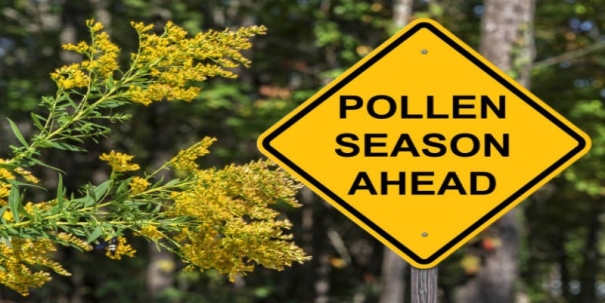
Sneezing season rarely comes with a warning. But you can get ahead. As pollen begins to rise, think about ways to reduce your exposure. Keep an eye on local pollen counts—or use an app.
On high‑pollen days, plan outdoor tasks for early morning or late evening. Washing hands, face, and even clothes after being outside also helps reduce allergens clinging to your skin or hair.
Close the windows (yes, even if the weather’s nice), avoid yard work on dry, windy days, and maybe rethink the whole picnic thing. Don’t wait until you’re miserable to do something.
Your House Might Be Making It Worse
You’d think you’re safe indoors, right? Nope. Pollen gets in on your clothes, shoes, pets, and even your hair. Here’s what helps:
- Take your shoes off at the door (seriously).
- Shower before bed so you’re not rolling around in pollen all night.
- Vacuum more than you want to (get one with a HEPA filter if you can).
- Wipe stuff down; tables, floors, counters. Dust loves to hang out there.
- It's not glamorous, but it works.
Sunglasses and Hats Aren’t Just for Style
If you spend time gardening, jogging, or walking; especially during spring or early summer; outdoor allergens may latch on. A few simple steps can help: Wear wrap‑around sunglasses to keep pollen out of your eyes.
Wear a wide‑brimmed hat to keep pollen off your hair. Change clothes and shower immediately after outdoor activities. These easy habits help manage seasonal allergies before they even start.
Saline Rinse: Weird but Worth It
One of the simplest, most effective natural allergy remedies is saline nasal irrigation.
Using a neti pot or squeeze bottle stuffed with sterile saline solution helps flush out pollen and mucus.
Do this daily during allergy season; or more often on peak days. It’s gentle and drug‑free, and
many users say it’s magic for clearing up nasal passages.
Build Up Natural Defenses
Believe it or not, what you eat and how you live can affect your allergy response:
- Foods rich in omega‑3s, like salmon and walnuts, have anti‑inflammatory effects.
- Fresh fruits and vegetables boost your immune system.
- Take daily probiotics to support gut health, which plays a role in immune regulation.
- Stay active; exercise helps clear your lungs naturally.
When combined thoughtfully, these natural allergy remedies support your body’s ability to handle allergens better.
Meds Help, But You’ve Gotta Use Them Right
Antihistamines like Zyrtec, Allegra, or Claritin are lifesavers if you take them before symptoms go wild. Don’t wait until your nose is already in meltdown mode. Nasal sprays like Flonase work, too, but they’re better if you use them daily for a few weeks; not just on your worst day.
Also, don’t overdo the nasal decongestant sprays like Afrin. They help fast but mess up your nose if you use them for more than three days. Been there, not doing it again.
Clean Up Your Space (Especially Your Bedroom)
You spend a third of your life in bed. Make sure it’s not a pollen party:
- Wash your sheets weekly in hot water.
- Cover your mattress and pillows with allergy-proof covers.
- If you’ve got pets, maybe don’t let them sleep on your bed during allergy season (or ever, if you’re serious).
An air purifier in your bedroom makes a difference, too; especially one with a HEPA filter.
Know Your Triggers
Allergies can sneak up in surprising ways. You might react more to tree pollen than grass; or to indoor mold more than outdoor allergens. Please pay attention to symptoms and note the days they flare up.
Keep a journal: date, weather, places visited, food eaten, symptoms experienced. Eventually, a pattern shows up. You learn what to avoid, when to stay inside, or when it’s time to pop a pill.
See an Allergist If You’re Fed Up
If you’re doing all this stuff and still miserable? It's time to call in the pros. An allergist can test what exactly messes you up and suggest long-term fixes; like allergy shots or drops that change how your body reacts. Not for everyone, but it changed my life.
You don’t need a perfect plan. Just pick a few of these that sound doable and start. Close the windows. Take a shower when you get home. Pop your meds early. Wear the dang sunglasses. Allergies are annoying, but you don’t have to suffer through them like a soggy tissue commercial. You’ve got options.