How Is AIDS Transmitted? Key Facts and Prevention Tips
In today's world, understanding how HIV spreads is crucial for your health and safety. Concerns about transmission can often provoke anxiety, prompting the need for practical knowledge about protection. This article provides essential facts and actionable prevention tips to empower you in making informed choices about your well-being, ultimately fostering a supportive environment for those affected by HIV.
How Does HIV Spread?
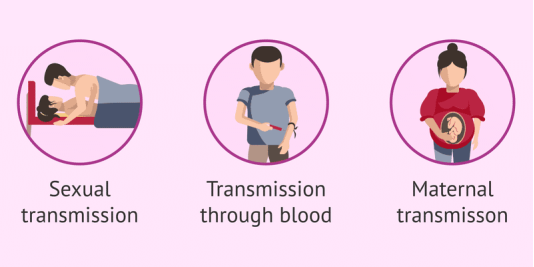
HIV is primarily transmitted through direct contact with specific body fluids such as blood, semen, vaginal fluids, and breast milk.
The most common routes of transmission involve unprotected sexual contact, where the virus can enter the body through mucous membranes. Sharing needles or syringes is another significant risk factor, particularly among individuals who inject drugs. Additionally, mother-to-child transmission can occur during childbirth or through breastfeeding, making it crucial for expectant mothers with HIV to seek medical advice to understand management options and minimize risks.
Less common methods of transmission include rare instances of HIV transmission through blood transfusions, particularly in regions with rigorous blood screening processes. Healthcare workers face occupational risks when they come into contact with infected blood or bodily fluids. Moreover, specific risk factors associated with oral sex, such as the presence of cuts or sores, can increase the likelihood of transmission, although the overall risk remains lower compared to other methods. Understanding these pathways is vital to fostering informed conversations surrounding HIV while promoting effective safety measures.
Key Facts About HIV Transmission
One common misconception is that HIV spreads through casual contact, which is inaccurate. Everyday interactions like hugging, shaking hands, and sharing utensils do not pose any risk. HIV primarily spreads through specific bodily fluids during intimate circumstances.
The concept of viral load significantly influences transmission risk. Individuals with a higher viral load, indicating a greater concentration of the virus in their blood, are more likely to transmit HIV. Furthermore, co-infections with other sexually transmitted infections (STIs) can elevate this risk, as they can make mucous membranes more vulnerable to viral entry.
Regular HIV testing is essential for everyone, not just those at high risk. Being aware of one's HIV status enables individuals to make informed health decisions and fosters open dialogue with sexual partners, encouraging responsible health practices.
An essential advancement in HIV prevention is the principle of Undetectable = Untransmittable (U=U). When a person living with HIV adheres to antiretroviral therapy, achieving and maintaining an undetectable viral load, they cannot transmit the virus to sexual partners. This groundbreaking concept highlights the importance of treatment as prevention, facilitating an empowering narrative against stigma and advocating for proactive health management.
Prevention Tips for Everyone
Here are some practical tips aimed at minimizing risk.
Safe Sex Practices
Consistent and correct use of condoms is one of the most effective strategies to lower the risk of HIV transmission. Condoms create a protective barrier that prevents the exchange of bodily fluids during sexual activity. Furthermore, maintaining open communication about HIV status with partners significantly enhances safety. Individuals should feel empowered to discuss their health and necessary preventative measures, contributing to mutual well-being. Embracing these practices should become integral to the routines of sexually active individuals.
Pre-exposure Prophylaxis (PrEP)
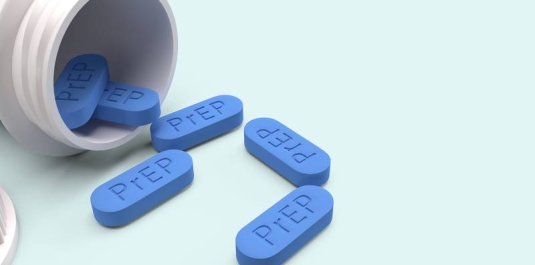
Pre-exposure Prophylaxis, or PrEP, is a preventive medication recommended for HIV-negative individuals at heightened risk of contracting the virus. Taken daily, this medication provides strong protection by blocking the virus's ability to replicate if exposure occurs. PrEP is particularly advantageous for individuals whose partners are HIV-positive, those engaged with multiple sexual partners, or anyone who frequently has sex without consistent condom use. Consulting with a healthcare professional can clarify eligibility for PrEP and identify an optimal course of action.
Regular Testing and Treatment
Regular HIV testing helps prevent transmission. Understanding one's status allows individuals, especially those living with HIV, to adhere to effective treatment plans that manage viral loads. Antiretroviral therapy (ART) can reduce the viral load to undetectable levels, making it impossible to sexually transmit the virus. Committing to regular healthcare check-ups facilitates adherence and supports overall health, contributing to a decrease in stigma surrounding the condition.
Avoiding Shared Needles
To mitigate risks associated with intravenous drug use, avoid sharing needles. Needle exchange programs play a crucial role by supplying sterile equipment and educational resources on safe practices. These programs not only help reduce the transmission of HIV and other bloodborne illnesses but also support individuals in accessing treatment and rehabilitation services for substance abuse. Raising awareness within communities about the dangers of shared needles can meaningfully impact overall health outcomes and promote harm-reduction strategies.
These preventive measures serve to protect individuals while positively contributing to collective community health. By fostering an informed and supportive environment surrounding HIV, we can move towards a healthier future for all.
Frequently Asked Questions about HIV
- Can I get HIV from oral sex?
Yes, it is possible, but the risk is generally lower compared to vaginal or anal sex. HIV can be transmitted through oral sex if there are cuts or sores in the mouth, or if an HIV-positive partner has a high viral load. Using barriers like condoms or dental dams significantly reduces the risk during oral sex. - How long can HIV live outside the body?
HIV does not survive long outside the human body. Its survival ranges from a few minutes to a couple of hours depending on various conditions. In dried blood, it may survive for up to several hours; however, once moisture is lost, the virus becomes inactive and cannot be spread via surfaces. - What are the early symptoms of HIV infection?
Early symptoms can vary but typically manifest as flu-like symptoms such as fever, sore throat, swollen lymph nodes, fatigue, and muscle aches around 2 to 4 weeks post-exposure. Since these symptoms are not exclusive to HIV, they may be mistaken for other viral infections. - Can HIV be cured?
Currently, no cure exists for HIV; however, it can be effectively managed with antiretroviral therapy (ART). Such treatment allows people living with HIV to lead long, healthy lives while reducing the viral load to undetectable levels, making transmission to others virtually impossible.
Empowering Knowledge Leads to Safer Communities
Understanding how HIV spreads and knowing effective prevention techniques is vital for everyone. By taking the initiative to educate yourself and others, you can help reduce stigma surrounding this virus and protect your health as well as that of your loved ones. Remaining informed and proactive contributes to the construction of safer, healthier communities.