How to Choose the Right CPAP Full Face Mask for Sleep Apnea
People talk about sleep like it’s some magical switch you flip at night. Lie down, close your eyes, and drift off. But when someone is living with sleep apnea, the story is different. Breathing stops and starts while asleep, and many times, they don't even know. What follows is a chain reaction of health problems, from fatigue during the day to serious issues like high blood pressure and heart problems.
Why the Right CPAP Mask Matters More Than You Think
Doctors often recommend a CPAP machine, which keeps the airway open using steady air pressure. But the mask? That's where the battle begins. Getting the wrong one is like wearing shoes that don't fit; it's uncomfortable and unflattering. It messes up everything. The air may be there, but if the mask is uncomfortable or leaks, it won't provide any benefit. Many give up because of the mask, not the machine.
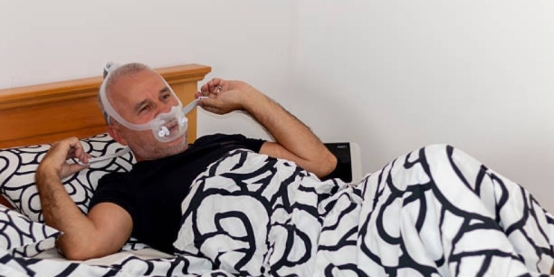
A full-face mask can help, especially for individuals who breathe through their mouth while sleeping or have nasal congestion. But no magic mask fits everyone perfectly. The real work is in knowing what matters most before making a choice.
Stop Assuming All Masks Are the Same
Some people walk into a store or go online, see a fancy-looking mask with bold promises, and make a decision in two minutes. Later, they toss it aside when their sleep still feels like a war zone. That’s what happens when people assume all CPAP full face masks are the same. They are not.
The shape of the face, the sleeping position, skin sensitivity, and even the air pressure setting all matter. Some masks are bulkier than others. Some press hard on the bridge of the nose, causing red lines or pain. Others have soft cushions that feel better but may not stay in place during the night. What works for one person might frustrate another to the point of giving up.
Before selecting a mask, it is essential to understand that comfort is not a luxury; it is a necessity. It's necessary. A bad fit means poor sleep, more leaks, and waking up even more tired. For some people, that might mean trying two or three types before finding the one that works best for them. And no, that is not being dramatic. It's being realistic.
Why Breathing Patterns Matter
Let's be clear about this. Not everyone breathes the same way during sleep. Some breathe through the nose. Others switch to mouth Breathing without even knowing. A full-face mask covers both the nose and mouth, making it a good option for those who do not stick to a single Breathing route.
People who often wake up with a dry mouth or sore throat likely breathe through their mouths. For them, using a nasal mask or pillow will only cause problems. The pressure from the machine escapes through the mouth, and the treatment becomes less effective. A full-face mask solves this by covering both airways and maintaining the pressure inside.
The National Heart, Lung, and Blood Institute explains that untreated sleep apnea can lead to severe health conditions. That's not a scare tactic. That's data-backed truth. This is why choosing the right mask is not something to take lightly.
Think About Sleep Habits Too
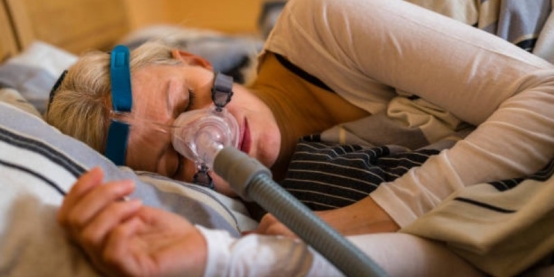
Here is what some people often forget: sleep habits also affect mask choice. A back sleeper may experience fewer problems with most full-face masks. But side sleepers? That's another story. The mask may shift or press too hard on one side. This causes people to adjust it repeatedly throughout the night, resulting in broken sleep.
There are now masks with flexible frames or soft headgear that adjust slightly when the wearer turns. These are better for restless sleepers. Some newer models reduce pressure on the nose bridge or come with magnetic clips for quick removal. These are minor design tweaks that change the entire experience.
Noise level matters too. Some masks have loud exhalation ports that disturb both the user and their partner. A quiet mask can make the night feel more peaceful for everyone in the room. This isn’t about being picky. It’s about knowing what makes the difference between using your therapy every night and tossing the mask in the drawer after a week.
Be Honest About Skin Sensitivity
Wearing something on the face for several hours every night is no small thing. People with sensitive skin feel this more. Masks with hard edges or rough straps leave marks. Some even cause rashes or allergic reactions.
Full face masks that come with gel or memory foam cushions are gentler. The pressure spreads evenly. Less irritation. Fewer red spots in the morning. If someone is reacting to their current mask, it may not be the CPAP machine causing the problem. It might just be the wrong material rubbing the skin the wrong way.
There are even hypoallergenic options available, and it’s not about being dramatic or soft. Everyone’s skin reacts differently. Treat it with care.
Getting the Right Size Is Not Guesswork
One of the biggest mistakes people make is guessing their mask size. That's like buying a shirt without knowing your size and hoping it fits. Most CPAP mask brands have fitting guides or printable templates. It takes five minutes to measure and understand your size correctly.
An oversized mask leaks. An undersized mask presses too hard, causing pain. Either way, the therapy doesn't work. If someone is unsure, consulting a sleep specialist or a certified CPAP provider is worthwhile. They won't just hand over a box. They'll help make sure it fits and works for your situation.
Don’t Be Fooled by Fancy Packaging
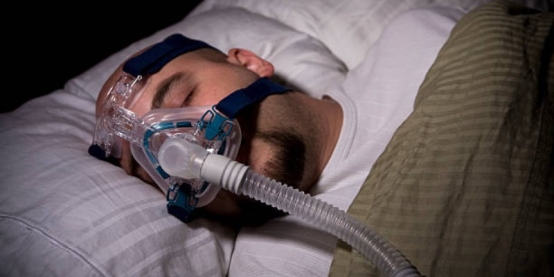
Many products utilise attractive designs and flashy promises to sell. But sleep apnea treatment is not a beauty contest. Some masks promise zero leaks, perfect comfort, or miracle features. The truth is that no mask is ideal for everyone.
What matters most is how it fits and feels during the night. Reviews from real users, advice from licensed professionals, and guidance from reputable sleep clinics matter more than any packaging or sales pitch. Don’t fall for exaggerated claims. They often leave out the part where the mask doesn’t fit your face or causes discomfort after two nights.
Take It Seriously, But Don’t Overthink It
Choosing the right CPAP full face mask matters. That’s clear. But it doesn’t mean overthinking every single detail until nothing feels good enough. It means being honest with your body, your habits, and your needs.
Comfort, seal, breathability, and ease of cleaning all matter. When one is off, the rest falls apart. Start from those basics, pay attention to how it feels during sleep, and give yourself time to adjust. This is not just about getting through the night; it's about making the most of it. It's about getting real, quality sleep again.
Sources
Sleep Apnea Basics - National Heart, Lung, and Blood Institute