Innovative Wound Care Products for Faster Healing
Most people think wounds only need soap, water, and maybe a bandage. Wounds now heal faster with the aid of innovative, science-based products. These are not just big claims. They work in ways that normal cleaning and covering do not.
Why Moisture Balance Matters More Than You Think
One thing most people do not understand is how much the skin depends on moisture to heal. Many people still believe that wounds should dry up quickly. That is wrong. Dry wounds form hard scabs, which delay new skin from growing. Today's innovative dressings work with the body. They keep the area moist, warm, and safe. These dressings help cells grow and move more quickly, allowing new skin to form rapidly.
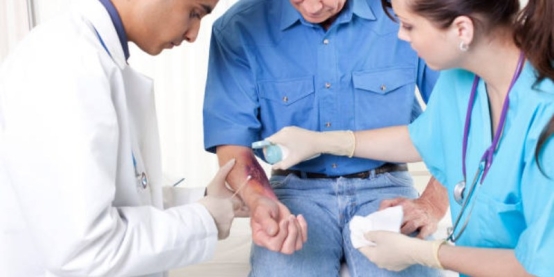
Hydrocolloid and hydrogel dressings are perfect examples. They hold moisture just right. Not too wet. Not too dry. These dressings are most effective for treating ulcers, burns, and surgical wounds. Some hydrogel products have a cooling feel that also helps with pain. The right balance of moisture in wound care reduces the risk of infection and minimises scarring.
Silver and Honey: Not Just Folk Remedies Anymore
It may seem unusual to say that silver and honey are now used in hospitals, but they are. The world has returned to nature and found a modern way to utilise it. Silver-based wound dressings are popular in burn units. Why? Silver can kill a wide range of harmful bacteria without hurting the skin. These dressings slowly release silver to keep infections low while letting wounds breathe.
Then there is medical-grade honey. Not your everyday honey from the kitchen shelf. This one undergoes thorough testing to ensure it's clean and ready for use. It stops bacteria, reduces swelling, and helps clean out wounds. According to Johns Hopkins Medicine, honey also helps remove dead skin and speeds up tissue repair. When combined with soft dressings, it creates a strong healing environment.
Smart Bandages Are More Than Hype
People talk about smart bandages as if they were from a movie. However, they are real, and some hospitals are already using them. These bandages can tell if a wound is too dry, too wet, or even infected. Some can change colour when there is a problem. Others send signals to medical devices to track healing. This reduces the number of times a wound needs to be opened or touched. Less touching means a lower risk of infection.
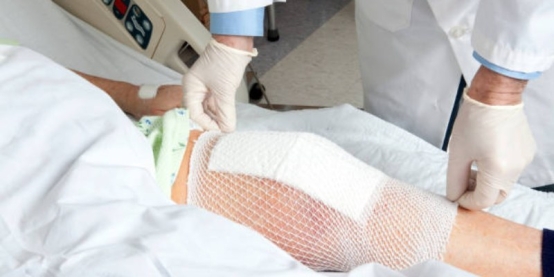
Some of the newest bandages can even release medicine slowly into the wound. These types are beneficial for individuals with diabetes or those with pressure ulcers who require additional care. Smart bandages are still relatively new to the market, but they are expected to transform the way home and hospital care is delivered over time. Harvard’s Wyss Institute is developing several innovative dressing models that accelerate wound healing by administering precise doses of medication.
Oxygen Therapy for Stubborn Wounds
Oxygen is more than something people breathe. It is also a healing tool. For wounds that refuse to heal—especially in people with diabetes or circulation problems—oxygen-based treatment makes a big difference. This method utilises specialised devices or patches that increase oxygen flow to the skin and cells. This helps reduce swelling, kill harmful germs, and allow new tissue to grow faster.
Portable oxygen therapy kits are now made for home use. Some are simple patches, while others use small machines. When used correctly, this therapy shortens the healing time for deep or infected wounds. Experts at the National Institutes of Health suggest that oxygen therapy can reduce the risk of amputation in severe cases when administered early enough.
What About Skin Substitutes?
Some wounds are so deep that new skin does not grow fast enough. That is where bioengineered skin products come in. These are manufactured in laboratories and designed to mimic real skin. They give the body a surface to grow over. Some are made with natural materials, while others are a mix of human cells and animal-based layers. These substitutes help close wounds more quickly, especially for burns, surgical wounds, or traumatic injuries.
Although they may sound high-tech and expensive, more hospitals are now utilising them. They are cost-effective in the long run because they reduce healing time and the need for more treatment. They also help lower scarring and improve movement in healed areas. As technology advances, these skin-like materials are becoming safer and more accessible for a broader range of patients.
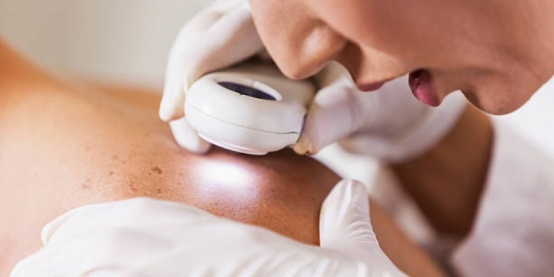
The Role of Antimicrobial Peptides
Another innovative tool in wound care is antimicrobial peptides. These are natural proteins that the body uses to fight off infections. Scientists now create them in labs to make dressings safer. These peptides kill bacteria, viruses, and fungi without inducing resistance, a phenomenon that occurs with the overuse of antibiotics.
This is a big win for people with chronic wounds that do not respond to regular drugs. Since these proteins are part of the immune system, they do not harm healthy skin cells. New dressings containing peptides are already in clinical trials and may soon become widely used in hospitals.
Stop Thinking Wounds Are Just Surface Problems
Too many people wait until a wound gets worse before taking action. Wounds are not just skin deep. They affect muscles, nerves, blood flow, and mental health too. Infections from untreated wounds can lead to serious illness. People with diabetes, the elderly, and those with weak immune systems are especially at risk.
Healing starts with understanding. Faster healing means fewer hospital visits, less pain, and lower costs. So when wound care improves, life improves. These new products may look small, but their impact is massive. Failing to practice proper wound care today can lead to life-altering problems tomorrow.
Taking Charge of Healing with Smart Choices
Not every wound needs a hospital bed. But many wounds need more than just basic care. New and innovative wound care products are helping people recover faster, safer, and with fewer scars. Some people still think healing is all about time. Time helps, but without the proper care, it only stretches the problem.
The body heals when it is treated right. Using better dressings, staying clean, controlling blood sugar, and utilising trusted modern tools makes a difference. Even the best products will fail if misused. That is why knowledge and support are just as necessary as the product itself.
Sources
Mayo Clinic – First Aid for Cuts
Johns Hopkins Medicine – Benefits of Honey in Wound Care
National Institutes of Health – Oxygen Therapy for Wound Healing